Energy efficiency is more important than ever with some of the temperature extremes many locations are seeing and with the US Energy Information Administration forecasting that energy prices will increase by almost 3% just this year alone.
There’s no better time than when you’re planning your home design to think about creating an efficient home that can keep your energy costs low for years to come.
Also, an energy-efficient home helps reduce peak electricity demands, keeping our power stations up and running. And using less electricity helps to reduce power plant emissions.
More green initiatives are likely coming, so you might as well be ahead of future government regulations so that you don’t have to do as many expensive home renovations later to get your home in compliance.
And the best part for your family? An energy-efficient home is more comfortable and long-lasting. The icing on the cake? It boosts your home’s resale value.
A good energy efficiency definition: a house that uses a minimal amount of electricity resulting in lower energy bills and less of an impact on the environment.
Several areas of your future home need careful attention if you want to minimize your energy consumption and make your home as energy-saving as possible.
Some homes are just intrinsically more energy-efficient than others. Instead of taking a design that naturally takes a lot of energy to heat and cool, like a split-level home, start with an energy-efficient home plan and design. Then aim for the highest score you can on the Home Energy Score by the US Department of Energy.
Consider the entire building envelope — every part of the home that separates the exterior, outside world from the interior of your home: exterior walls, the roof, windows, insulation, and exterior doors.
Orient your home to take advantage of solar energy to minimize direct sunlight in the summer and maximize sunlight in the winter to save on your heating and cooling bills.
Aim to allow your living spaces to face south, allowing you to enjoy the benefits of natural light during the day. Ideally, your kitchen should face east for more sun in the morning. And bedrooms and other areas can face north because you don’t need or want as much natural light in those spaces.
Choose a lighter color if your geographic location tends to experience a lot of heat. Select black if you live in a colder climate and want to absorb more heat from sunlight.
For even more efficiency, think about a cool roof for greater reflection of the sun’s rays to lower your home’s temperature in the summer. Even your indoor non-air-conditioned spaces (like your garage and patio) will be significantly cooler on hot, sunny days.
A cool roof can often last longer since it is not subjected to the extreme high temperatures regular roofs can be.
Opt for reflective colors and materials that don’t absorb sunlight and turn it into extra heat for your AC system to have to cool.
For the wall material, itself, consider insulating concrete forms, green energy bricks, or other well-insulated options.
Choose sustainable materials or components made of recycled materials as much as possible in your home design. Your architect and/or custom builder can help you make the best selections.
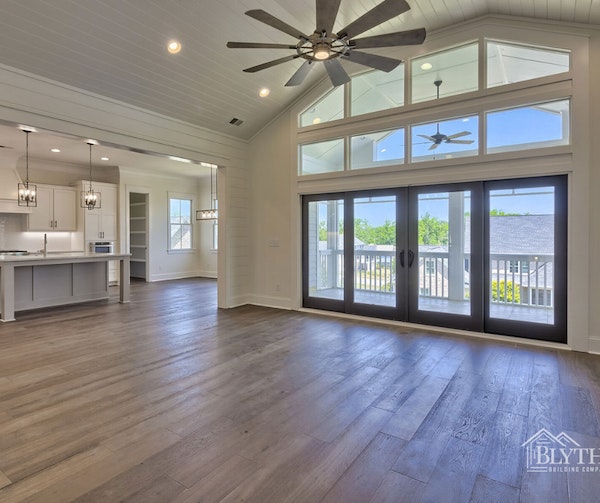
Because windows allow the most heat transfer of any surface in your home and doors have openings around them and often have glass inserts, it’s important to choose Energy Star®-Certified energy-efficient windows and doors to minimize the summer heat and winter cold that enter your home.
Ask about low emissive windows and exterior doors with a high R factor (or insulation rating).
These HVAC systems consume the most energy of any source in our homes. So this is an area to concentrate on finding very energy-efficient options.
Energy Star®-Certified energy-efficient heaters, AC, and HVAC units can save you a very significant amount of energy and money over time.
All of the external windows, doors, and pipes in the home need to be caulked and sealed to prevent air from escaping. And an air and moisture barrier prevents leaks of both air and water. This greatly improves the efficiency of the home. The seal is so tight that it’s critical to add ventilation.
Energy recovery ventilation systems
for your attic and the crawl space boost energy savings and also prevent indoor air pollutants (like radon and VOCs) from being trapped in your home.
If you have family members who take long, frequent showers, you need a lot of hot water but you don’t want to have to pay a fortune for it. A tankless water heater is our favorite way to go for efficiency and an unending supply of hot water. But you have other Energy Star®–Certified hot water heater options, as well.
Also, add low-flow fixtures (faucets and shower heads) to reduce overall hot water use.
Energy efficient insulation that goes far above the minimum requirements makes your home much more comfortable, reducing your heating and cooling costs. Be sure to choose Energy Star certified insulation and talk with your builder about which insulation is best for your home.
If you will have a crawl space, an insulated foundation can protect your home from cold air seepage in the winters. And it helps block moisture from condensing in your crawl space and improves indoor air quality.
Energy Star®-Certified appliances streamline your energy consumption but still provide all the comfort, performance, and convenience your family needs.
These appliances do cost a bit more in the beginning, but you can save several hundred dollars each year on your electric bill, which eventually pays for the cost of the more efficient machines. They generally lower your energy costs by 5-9%.
Energy Star®-Certified home electronics can help reduce energy expenses, too. One computer may not use much electricity. But the average home now has over 10 electronic devices (many have 24 or more), so the energy savings do add up.

Smart home technology makes it possible to control the thermostat, lights, and even appliances on a pre-programmed plan or you can control these devices remotely from your phone.
This technology avoids the issue of someone forgetting to adjust the thermostat during the day and at night. This way, your home is comfortable when you are there and saving energy when you are away.
Most of these devices will even alert you if there are any problems and may give you diagnostics to prevent or take care of problems. It’s almost like having a technician on call 24/7.
A few further thoughts on how to save energy on your utility bill and other energy expenses
For an ultra-efficient home, combine all the most cutting-edge construction, design, appliances, and lighting with renewable energy systems.
Green building — building an energy-efficient house and using materials that make a minimal environmental impact — saves you money on your electrical bill each month and provides peace of mind that you are benefiting the environment.
You may be eligible for rebates from your electric provider or tax credits on your federal/state income tax if you build with certain energy-saving materials and products. Check out the Department of Energy’s site for more information.
Lee Blythe is a Certified Master Builder and has his Green Building Certification, as well. We build luxury homes in the Greater Columbia area starting at about $650,000.
Talk with us about how to make your dream home energy efficient if you decide to build with us.
Do I Really Need an Outdoor TV to Watch TV Outside?
How to Avoid Stress When Building a New Home
20 Top Home Builder Red Flags: When It’s Time to Walk Away
10 Ideas for a Stunning Custom Home Office Design