A pre-owned home is one that was built in the past and has, generally, been occupied by at least one owner. The vast majority of home buyers choose pre-owned homes. There are some distinct pros and cons of buying a previously owned house.
In general, a comparable custom home does cost more than a pre-owned home up front. But when you include long term costs, the pre-owned home is not always the cheapest option.
Let’s look at some of the advantages and disadvantages of each and the reasons behind the pricing difference.
A pre-owned home may be ready to move in as soon as you can get a contract and close on the house, unless you decide that it needs some repairs and work before you can move in. It may be in a well-established neighborhood and may have charm from a certain era that you love. The landscaping is likely to be mature and there may not be any new construction going on in the neighborhood.
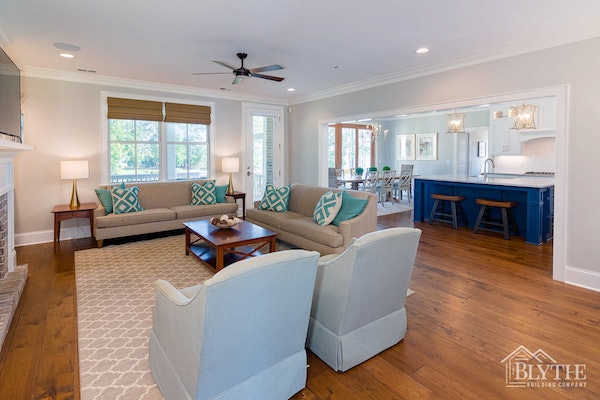
Pre-owned home cost can be quite a bit less than for a newly built home upfront. The average cost per square foot for a pre-owned home in 2018 was $130 according to The National Association of Realtors. Older home prices vary widely per square foot, even between different neighborhoods in the same area.
They also vary even more dramatically in different regions of the country. According to Realtor.com in 2016, “On the low end, you’ll pay $24 per square foot in Detroit; on the high end, in San Francisco, $810.” In 2018, the median price for a new home was $90,000 greater than the median price for a previously owned home.
With a new home, you generally don’t have to worry right away about needing to replace major things like the roof, the HVAC system, the entire electrical system, or sagging floors. If there is a significant problem, it should be covered under your warranty in the beginning.
But for a previously owned home, your risk of having to spend large amounts of money on repairs and replacements is greater—especially in the first ten years after you purchase the home. If you choose to buy an older home, it will be up to you to cover the costs of fixing any issues that arise.
The floor plan in an existing home is already set. If you want to change it, this would require major renovations, expense, stress, and inconvenience, especially if you try to live in the home during a lengthy remodel. You may not find the open floor plan you really love. Hallways may be more narrow. Closets may be too small. Bathrooms may not have room for a separate shower and tub or for a dual vanity.
The home may not include the thoughtful features of universal design so it may not be a good fit in the future if accessibility becomes an issue for you or another family member. There could be issues with foundation settling, mold, or termites. So always be sure to have a pre-owned home inspected before you buy it to be sure you know exactly what you are getting yourself into.
There are other hidden costs of pre-owned homes, as well. The windows, insulation, doors, plumbing, wiring, lighting, and appliances may not be up to current standards and may not be nearly as energy efficient and modern as what you would find in a new home. You may find that your electric bill is higher in an older home for these reasons. Or you may encounter costly repairs. Sometimes, unfortunately, an older home can easily end up creating many unexpected costs and can be a serious drain on your time.
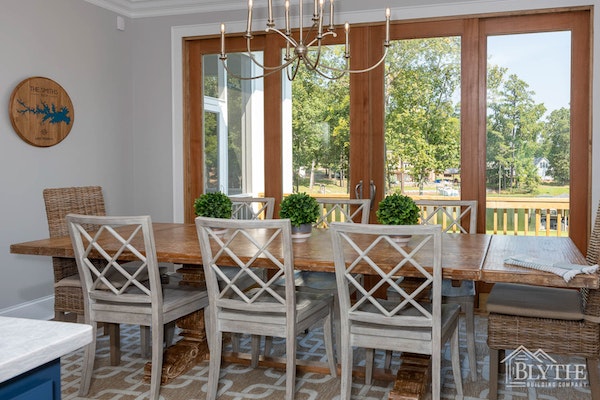
A custom home builder has tremendous freedom to create the exact home of your dreams. Just like with a personally tailored suit, you do pay a bit more to build a house just for you and your family but you also get something that is the perfect fit, in the end.
Custom built homes run between $100-$400 per square foot (per Homeadvisor), not including the cost of the lot, according to Home Advisor. For the most accurate estimate of your particular home cost, please be sure to check with your builder. You have a lot of control over your costs as you choose the materials and features you want and you don’t invest your money in options that are not important to your family. And you have control over your budget if you choose a reputable, experienced builder to help you navigate your budget wisely.
For buyers who are pressed for time or who feel overwhelmed at making a lot of decisions, a custom home may not be the best fit. But there are a lot of benefits of building a custom home to carefully consider, as well.
With the freedom you have to make more choices, you can choose to spend more money or not on a newly constructed home. Ultimately, you have control over your budget and decisions and you will also have the satisfaction of having the exact home of your dreams. A custom home can be a sprawling million dollar mansion, or it could be a smaller, more modest home that simply meets your family’s needs and desires.