Your mom comes to your home to visit. She’s an active 67-year old lady with lots of spunk and a sparkle in her eyes.
You don’t think of her as being “elderly.” After all, she has tons of energy to help with the kids, bake, walk, and do lots of volunteer work. She visits often and stays in your guest room, sharing a bathroom with your kids.
Then it happens.
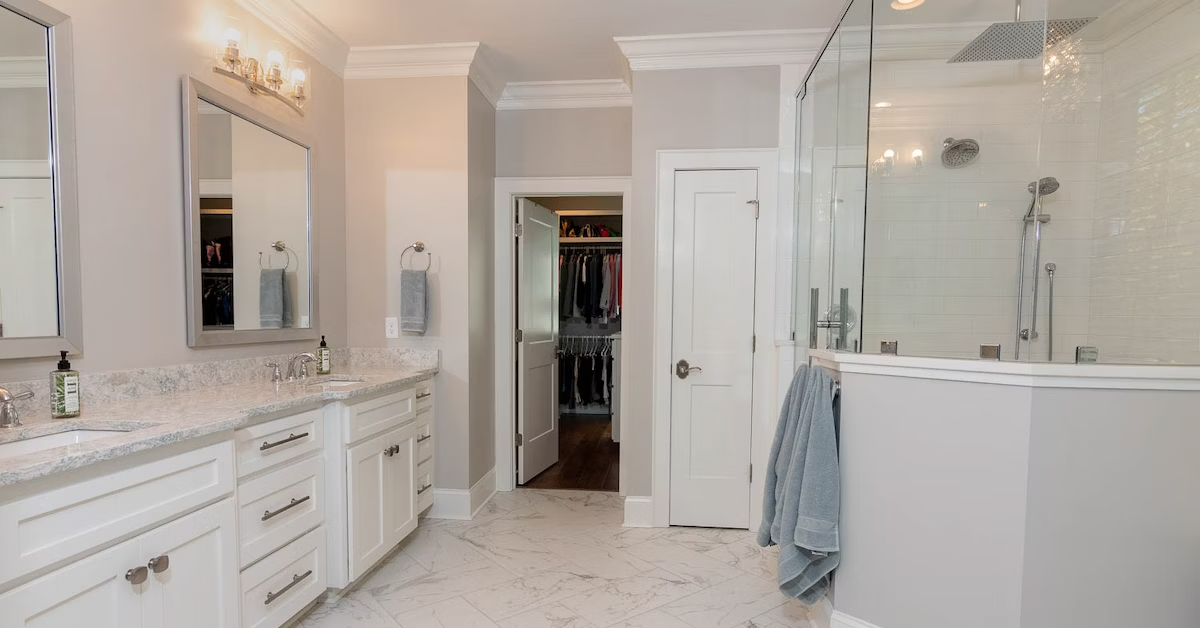
As she tries to get out of the bathtub one evening, she doesn’t quite lift her foot high enough to clear the edge of the tub. She can’t catch herself in time and she falls awkwardly and breaks her leg, simultaneously hitting her forehead on the counter as she falls.
The rest of the night is a blur.
The ambulance. The eternal wait in the waiting room at the ER. The surgery. Days in the ICU. A week spent recovering in the hospital. The worry about a bleed on her brain or a stroke. The 6 weeks of rehab. The $120,000 price tag.
Sure she has Medicare, but she didn’t buy Medicare supplemental insurance. And Medicare alone doesn’t pay for everything.
Nothing can make up for the pain, suffering, stress, and lost time. Not to mention the extra weight on your shoulders as you try to take care of her, your kids, your house, her house (that’s 2 hours away), her bills, her medications, and her two dogs.

Falls are the leading cause of death for senior adults age 65 and over. They are also the leading cause of significant injury. This is something we can’t afford to ignore.
According to the National Council on Aging:
The CDC shares this sobering statistic:
The average cost for a fall is $30,000.
That’s why we are passionate about building homes that help prevent falls for seniors.
When you think about your dream home, do you also think about making sure you put measures in place to protect your loved ones—and yourself— from injuries?
One of the most amazing benefits of building a custom home is that you get to design it with your family’s needs and priorities in mind. For today and the future. Custom home design is about beauty, personality, and functionality. It can also be about safety for everyone in the home.
More than ever, people are interested in building a home where they can “age in place” or where families can experience multi-generational living so the family can live together and help each other.
Universal design is a great place to start as you think about making your new custom home as accessible and easy to navigate as possible for your parents, your in-laws, and maybe, even, for your spouse or yourself one day.
Here are some great safety recommendations to consider in the design phase of your new custom home—before you even start the building process.

All of these suggestions can help prevent slips, trips, and falls for your loved ones and yourself in the future.
Your parents, your in-laws or your adult children can live with you whether you want to live in the same home or separate living quarters on the same property.
You may want to utilize universal design early on so that anyone who may have accessibility issues in the future will have no problems living in the home. If you need to have your parents move in one day, you’ll be ready. And you’ll be prepared to live in the home yourself for as long as possible.
You already know you need a specially designed home.
You want to “age in place” gracefully and let this dream home be your home for a lifetime.
You want to be sure the house will meet their needs and help protect them from dangerous and costly falls.

Designing a Multi-generational Custom Home
7 Benefits of Building a Multi-generational Custom Home
Building a Custom Home Where You Can “Age in Place”
Is a Cluttered Home Harming Your Family’s Health?
What Are the Steps to Building a Home?
FALL PREVENTION RESOURCES AND REFERENCES
Fall Fact Sheet—by www.aging.com
Preventing Falls in Older Adults—by www.aging.com
11 Fall-Prevention Tips to Keep Your Home Hazard-Free—by www.AARP.org
Preventing Falls Caregiver Checklist—by www.AARP.org
Check for Safety – by the Centers for Disease Control (CDC)
Postural Hypotension—by the Centers for Disease Control and Prevention (to help prevent fall injuries for those who feel dizzy when standing up quickly)